← ECOSystems
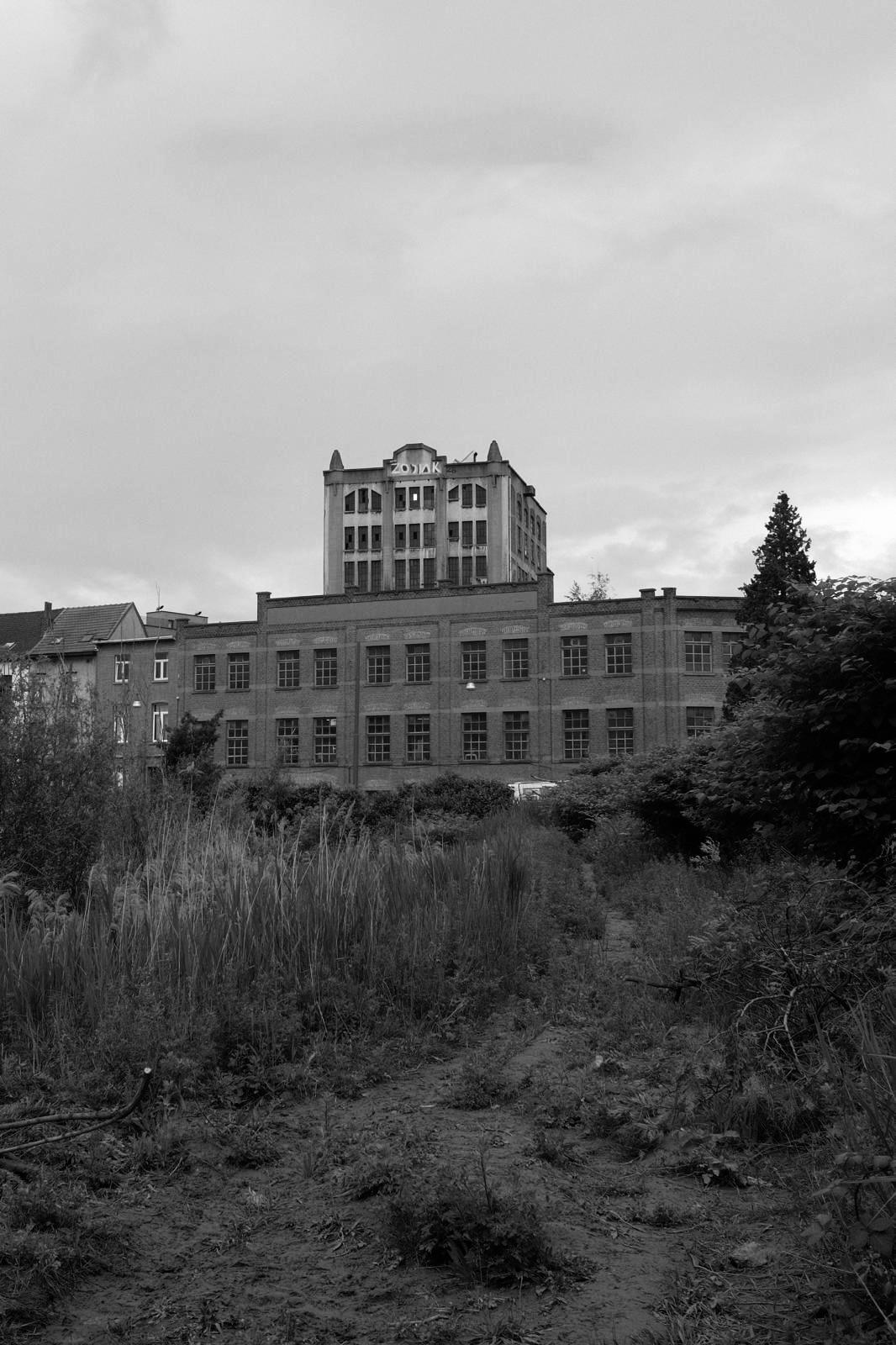
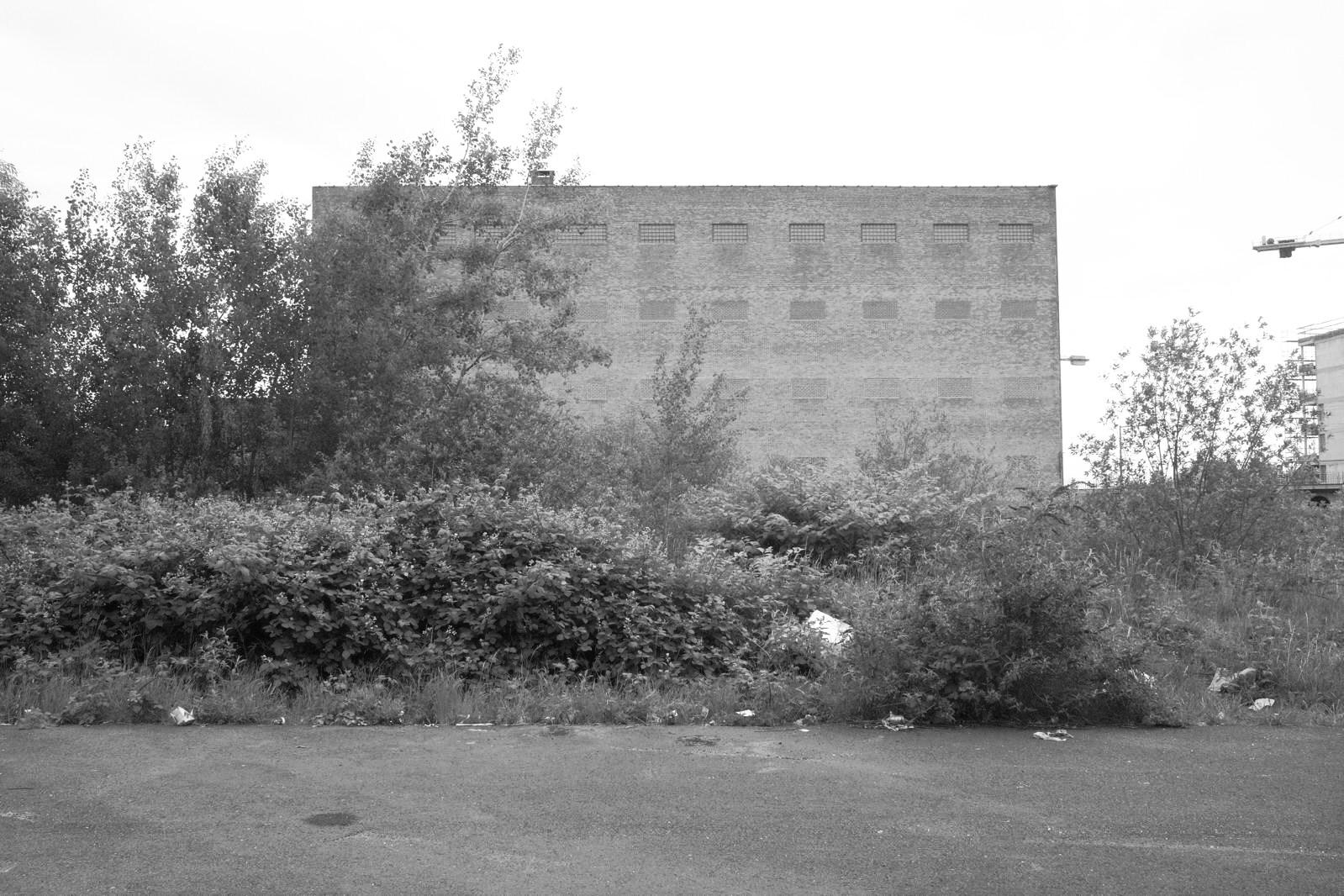
The Marais de Biestebroeck: scrub and grass in front of a disused industrial building

ECOSystems · Local learning actions · Belgium

With the Marais

Listening, being and crafting with an urban wetland that nobody planted and nobody protects.

Brussels · June — September 2026 · Gaia Education Europe AISBL
Download as PDF →

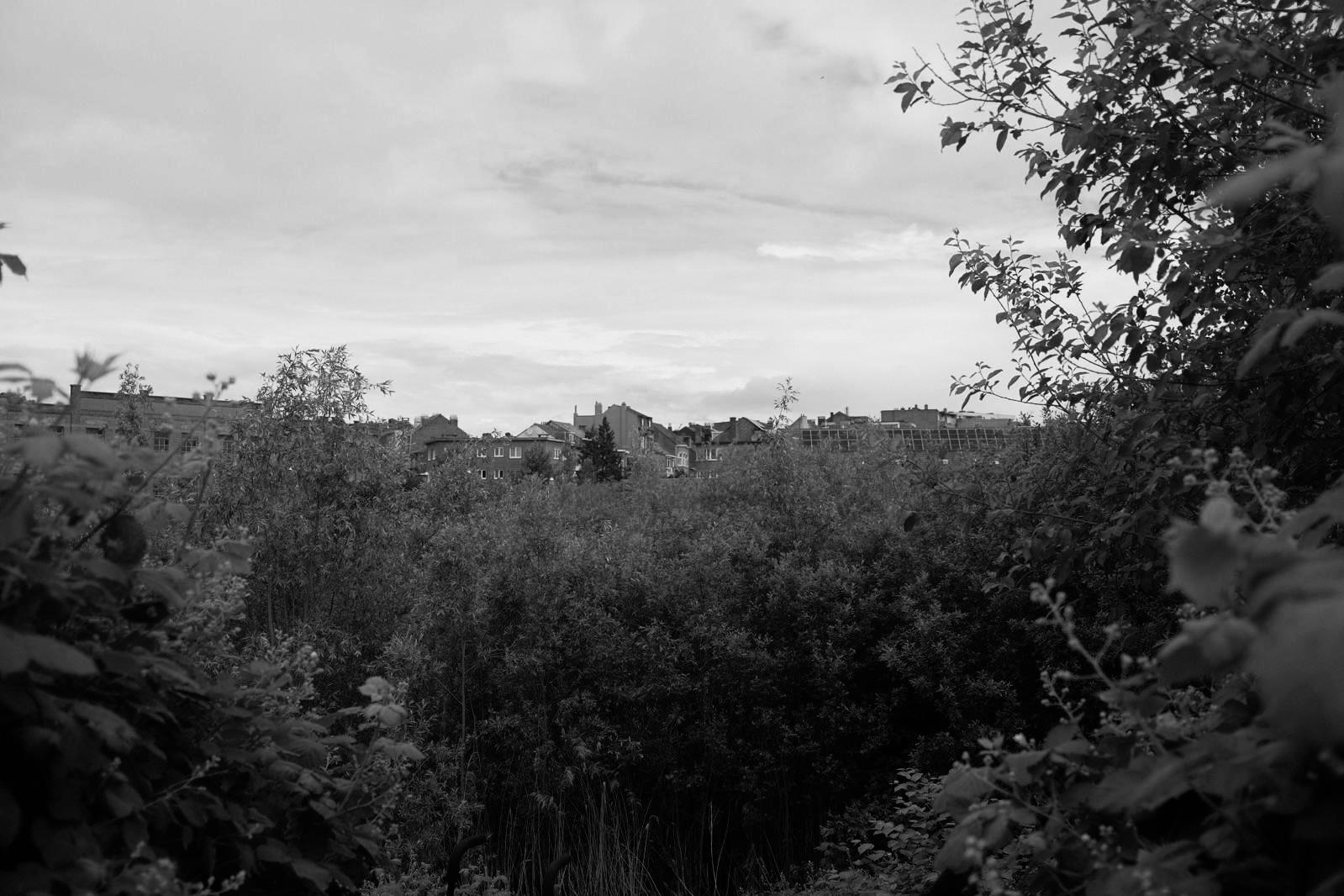
On the southern edge of Brussels, where the canal cuts through Anderlecht and the old industrial plots wait for their next investor, there is a marsh. Nobody planted it. When the land was left alone, water gathered, willow and poplar took hold, and birch and aspen followed.

It is protected by nobody in particular and used by many: children from the surrounding blocks, people with nowhere else to go, herons. That makes it an unusually honest teacher about how our societies treat both ecosystems and the people who live closest to them — and it is why Gaia Education chose it, rather than taking a group out to a rural eco-community. In a dense European capital the distance between young people and regenerative practice is not measured in kilometres. It is measured in access.

Five local learning actions were held there between June and September 2026, designed and facilitated by two Brussels practitioners working at the meeting point of ecology, community and the arts.
  • 5Local actions
  • 54Participants
  • 3Venues
  • 2Open resources
  • 1Transferable method
Action one

Listening with the Marais

6 June 2026 · Brasserie Atlas, Brussels

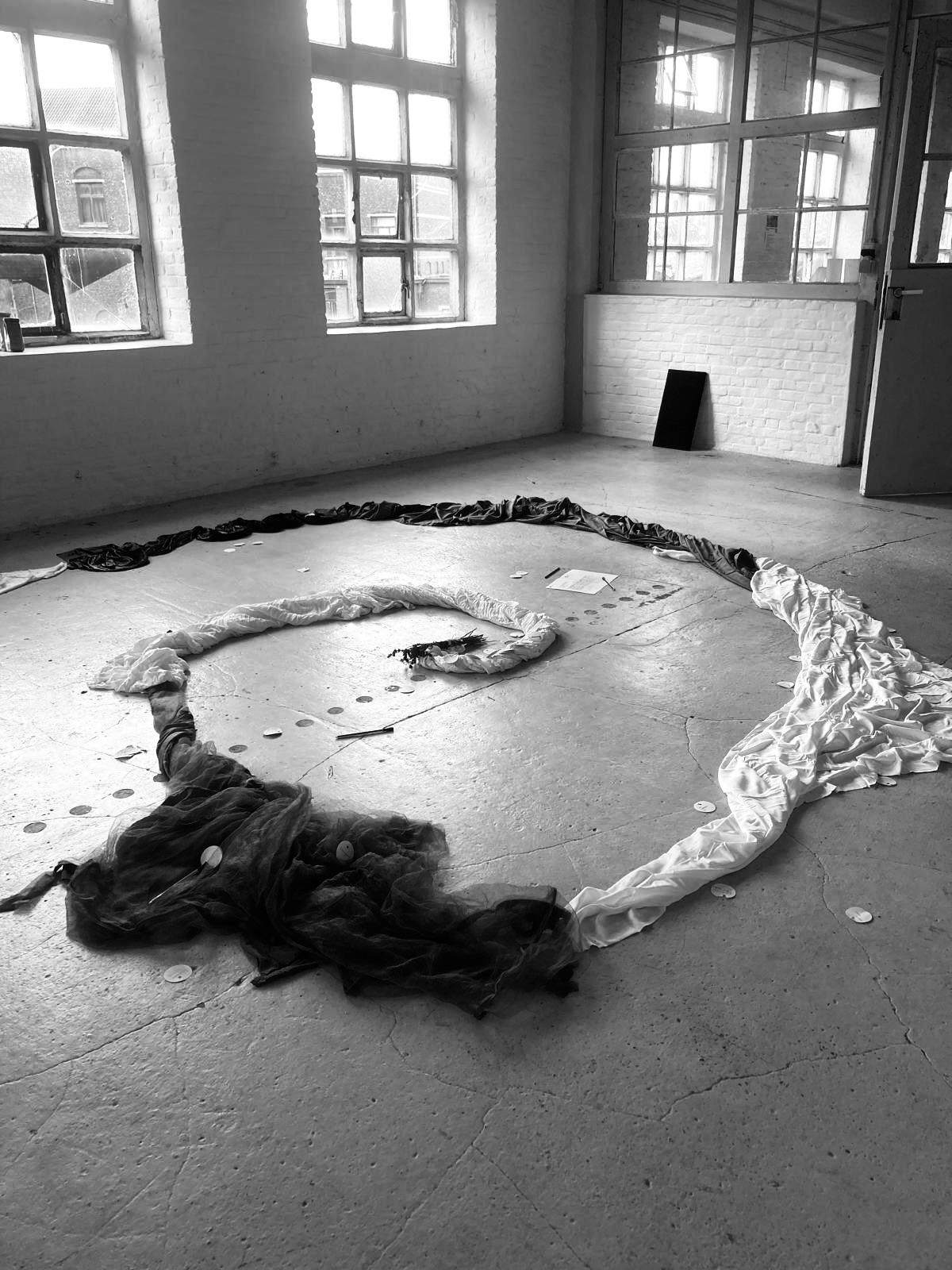
The series opened indoors, with a workshop on non-discriminatory listening and on the environmental agency of people and of the biotope. Participants built a collective soundscape, becoming together the narrators of a story the place was telling, and ended in the swampmapping exercise — a slow spiral into the swamp, worked with fabrics laid across the floor.

Fabrics laid out on a floor in a spiral, forming the swampmap
Action two

Walking the borders

6 June 2026 · Marais de Biestebroeck

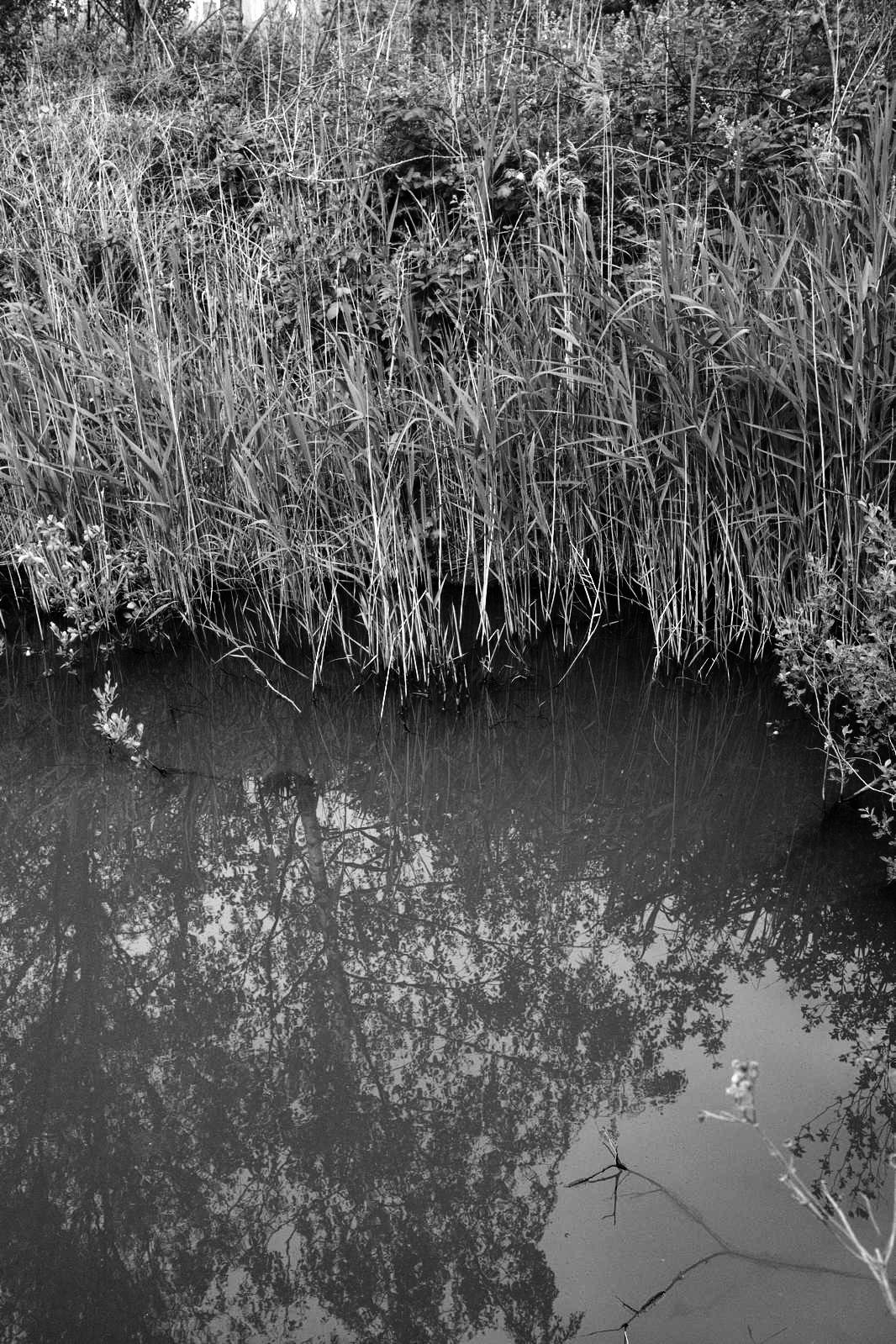
The same day, the group moved to the wetland itself, and walked its edges. Borders were the point: what a threshold can tell you, what belongs inside, what is pushed out, and who decides. Attendance was signed separately here, at the water, by a larger group than the one that had gathered indoors.

Still water at the edge of the wetland, framed by reeds
Action three

Being with the Marais

August 2026 · participants' own landscapes, and small gatherings in Brussels

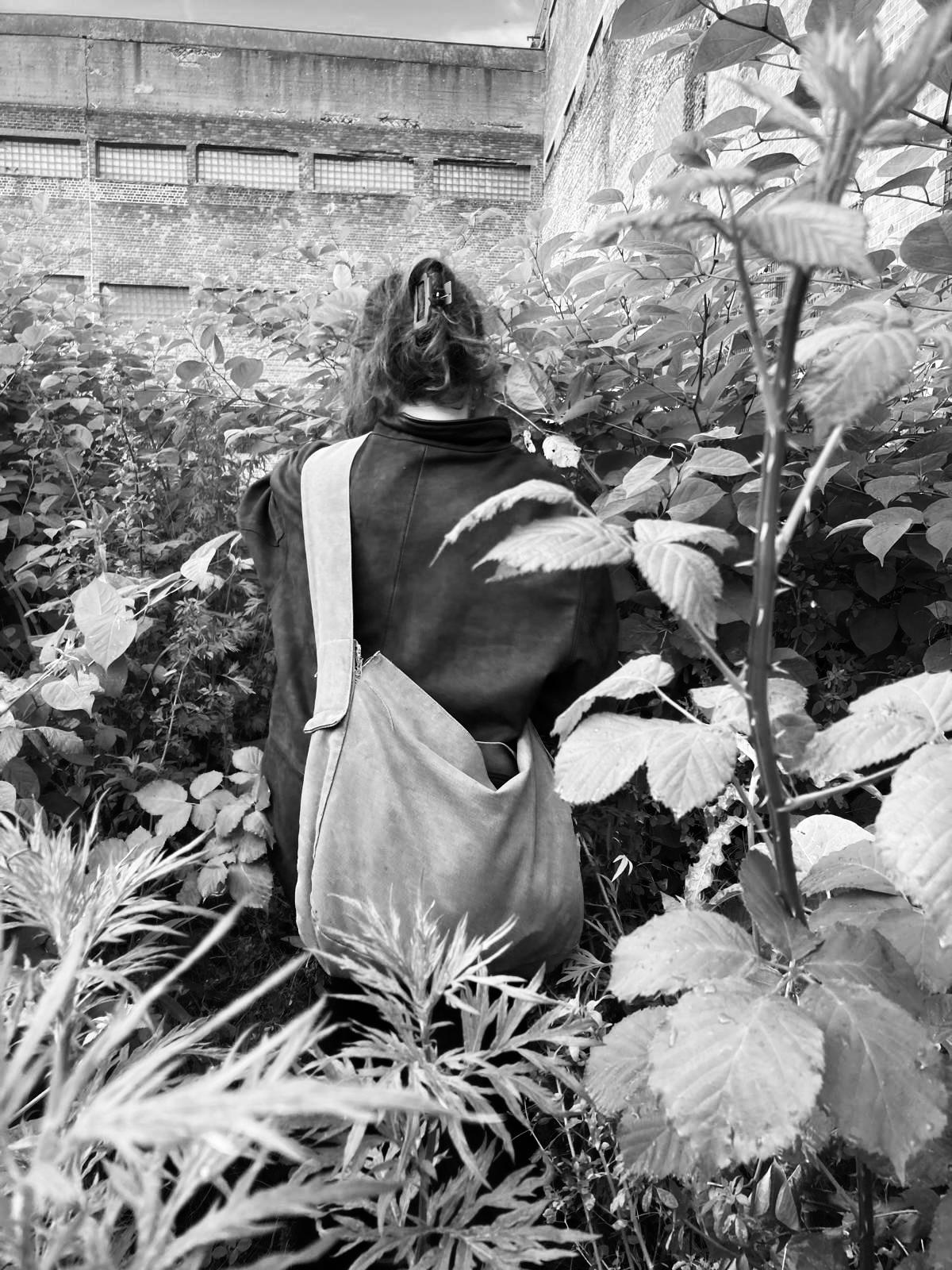
Everyone left with a guidebook: a foldable A4 made to live in a pocket, with practices for relating to whatever ecosystem was closest to them — a forest, a riverbank, an ocean, a patch of city park. When the circles participants were meant to host themselves did not take hold over the summer, the facilitators convened small groups in person instead, so that the practice was done together rather than alone.

A person standing among tall summer vegetation
Action four

Crafting with the Marais

10 September 2026 · Smart Coop, Brussels

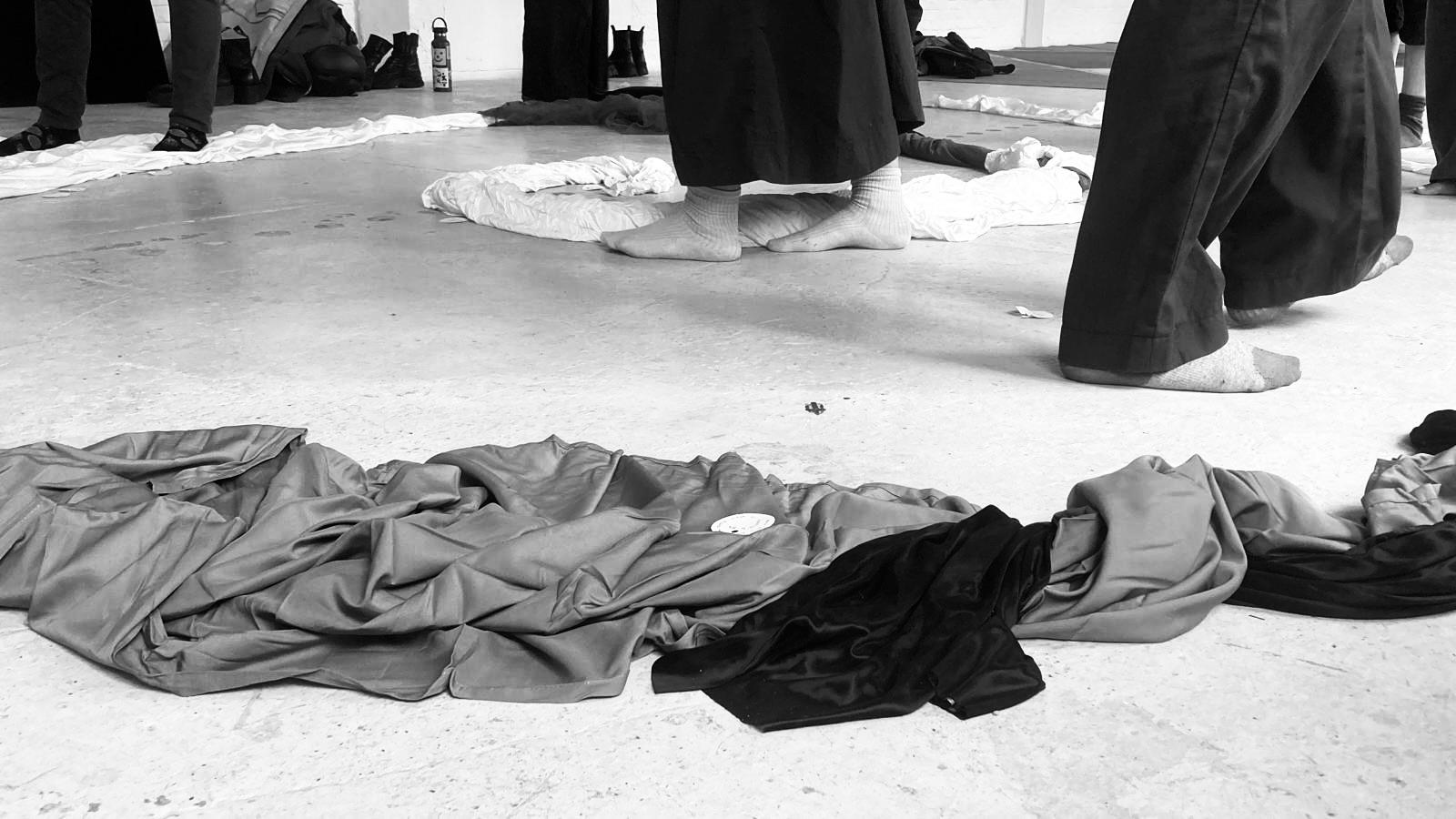
The series closed with a collective reading, the recorded sound of the marsh playing underneath, from a booklet made out of everything the process had produced. What followed was not a debrief but a conversation — about resilience, marginalisation and oppression, about relating to ecosystems inside a city, and about building what the group came to call ecosystems of care.

Participants standing barefoot around fabrics spread on the floor
Action five

Reading circles

September 2026 · Brussels

The booklet was read again afterwards, in smaller informal circles, with community members and people close to this work who could not be there on the tenth. These carried the series past the limits of a single room, and they are part of how the process reached fifty-four people.

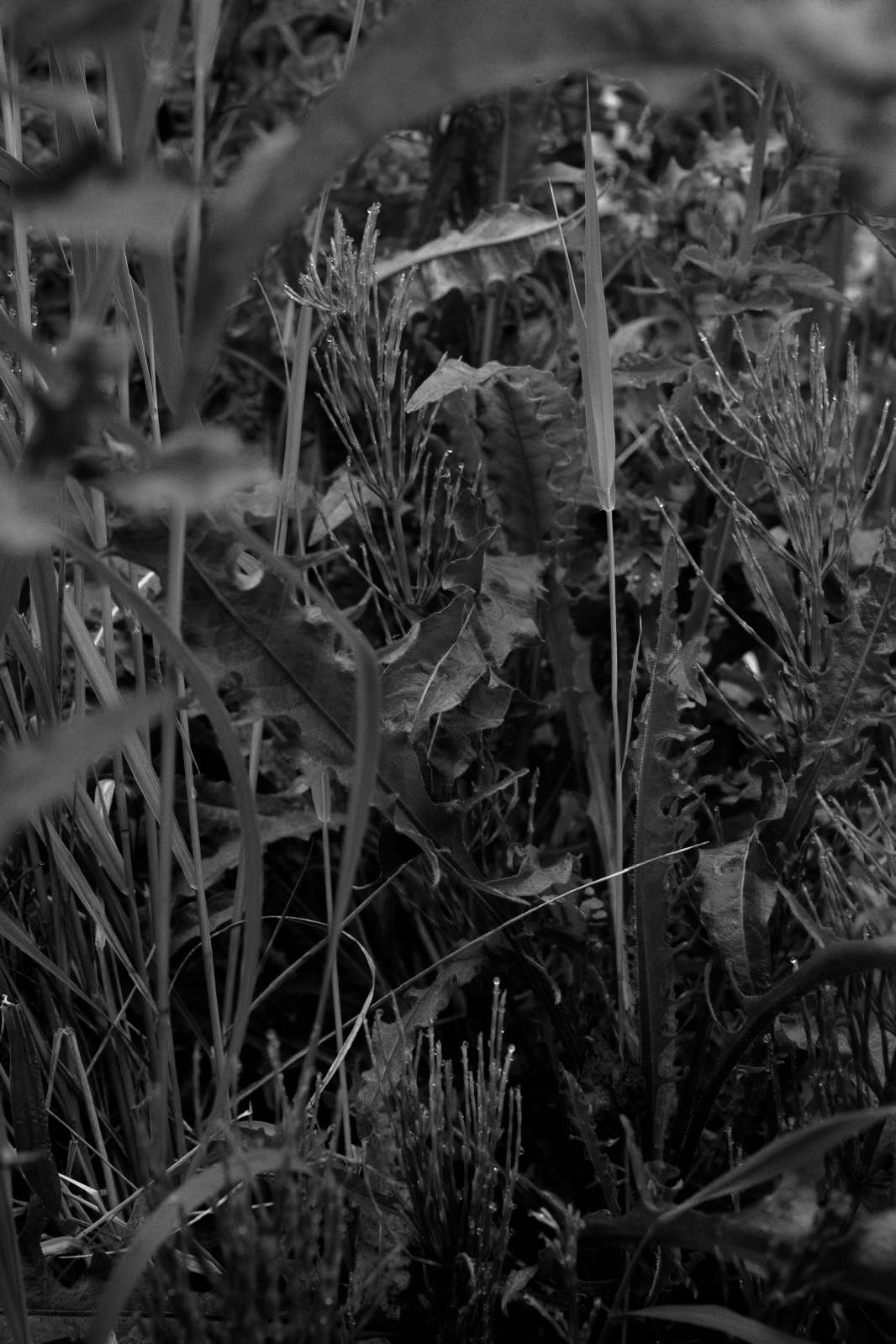
Wild grasses and seed heads growing on the waste ground
The wetland at dusk
“We can learn to see with different eyes, lower the volume to match that of nature, and then great things appear in front of you. Not that they were not there before, you just were not looking in the right way.”
A participant, writing in the closing booklet

What another partner can take

The Score for swampmapping

The method at the centre of the series is published in full — its duration, its materials and its eight movements — so that anyone can run it in their own wetland without ever having been in this one. It is described by its author as a ritualising methodology designed to imagine and embody relating to ecosystems. It needs fabrics, notebooks and pencils, and between thirty and forty-five minutes.

  1. Sensing into swamp
  2. Introducing the swampmap
  3. Introducing the spiral
  4. Entering the swamp
  5. Finding our place in the swamp
  6. Becoming the swamp
  7. Closing, and a group reflection

Two open resources

A pocket guidebook of practices for relating to a local ecosystem, and a 34-page collective booklet gathering the participants' writing, drawing and recorded sound, with the score printed inside it. Both are being prepared for open publication under a Creative Commons licence.

A disused industrial building seen across the overgrown ground
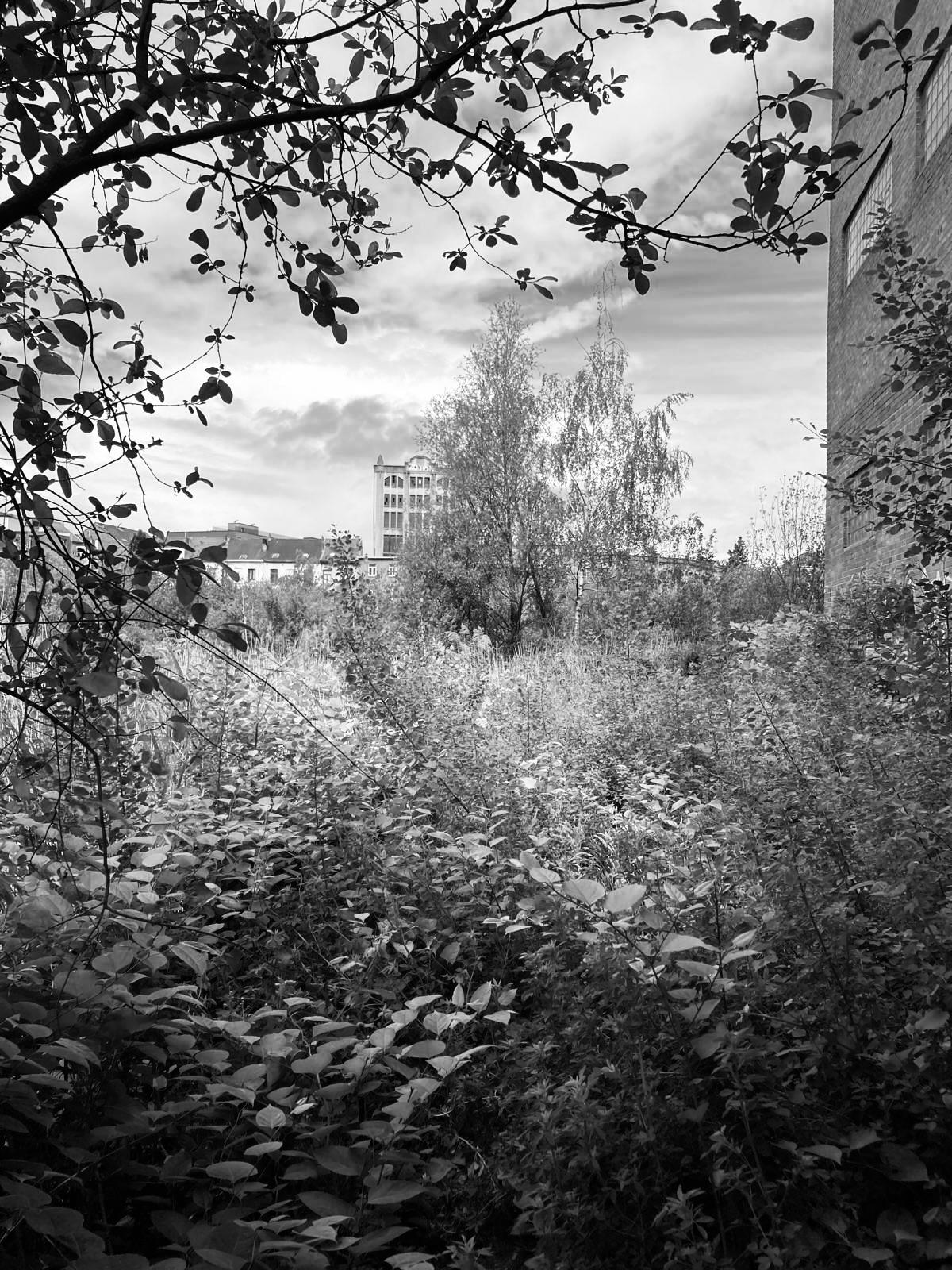
Young trees growing on the wetland The wetland landscape Water and reeds

What it left behind

A conversation that outlived the project

The exchange opened at the closing gathering did not end with it. It continues with local stakeholders around the wetland — young people, activists, architecture students, and a researcher working on the relationship between urban and green space. The facilitators describe it as the most fulfilling outcome of the whole process, more than any single workshop.

What Gaia Education keeps is a format: one that turns any accessible ecosystem — a park, a canal, a piece of waste ground — into a learning environment, together with the materials needed to run it.

The record

ActionsFive, between 6 June and September 2026
Participants54 across the process
AttendanceSigned lists, consolidated by the facilitators
ConsentCollected in the registration form
PhotographyBy the facilitators, at the Marais and in the sessions
PublicationsGuidebook and closing booklet, 34 pp.
PromotionEvent page, social media, project newsletter